Updated March 14, 2025
PARA LEER EN ESPAÑOL, UTILICE LA HERRAMIENTA DE TRADUCCIÓN EN LA ESQUINA SUPERIOR DERECHA DE LA PÁGINA WEB.PARA LER EM PORTUGUÊS, UTILIZE A FERRAMENTA DE TRADUÇÃO NO CANTO SUPERIOR DIREITO DA PÁGINA.This summer, the City of Newark experienced several heavy rain events that resulted in citywide flash flood warnings from the National Weather Service.
Newark has seen an increase in rainfall, both in volume and intensity. In response, the Newark Water and Sewer Utility is heightening its storm response protocol and undergoing a number of projects to strengthen the city’s water and wastewater infrastructure.
Before a storm, residents must be prepared to protect themselves, their families, and their property.
Below are five steps you can take to safeguard your home from heavy rain.
1. Know if you are in a flood zone.
Know if your house is located on a 100-year floodplain or in a low-lying area. Is your home on a hill? In a valley? Knowing the topography of your neighborhood gives you a better assessment of your flood risk. Keeping an eye on the weather forecast for the week is good practice for storm preparation.
If applicable, read over your insurance policy and consider purchasing additional coverage if you're at higher risk for flooding.
Start by checking the official FEMA website or the NJDEP website to see if you are in or near a flood zone.
2. Keep storm drains in your area clean.
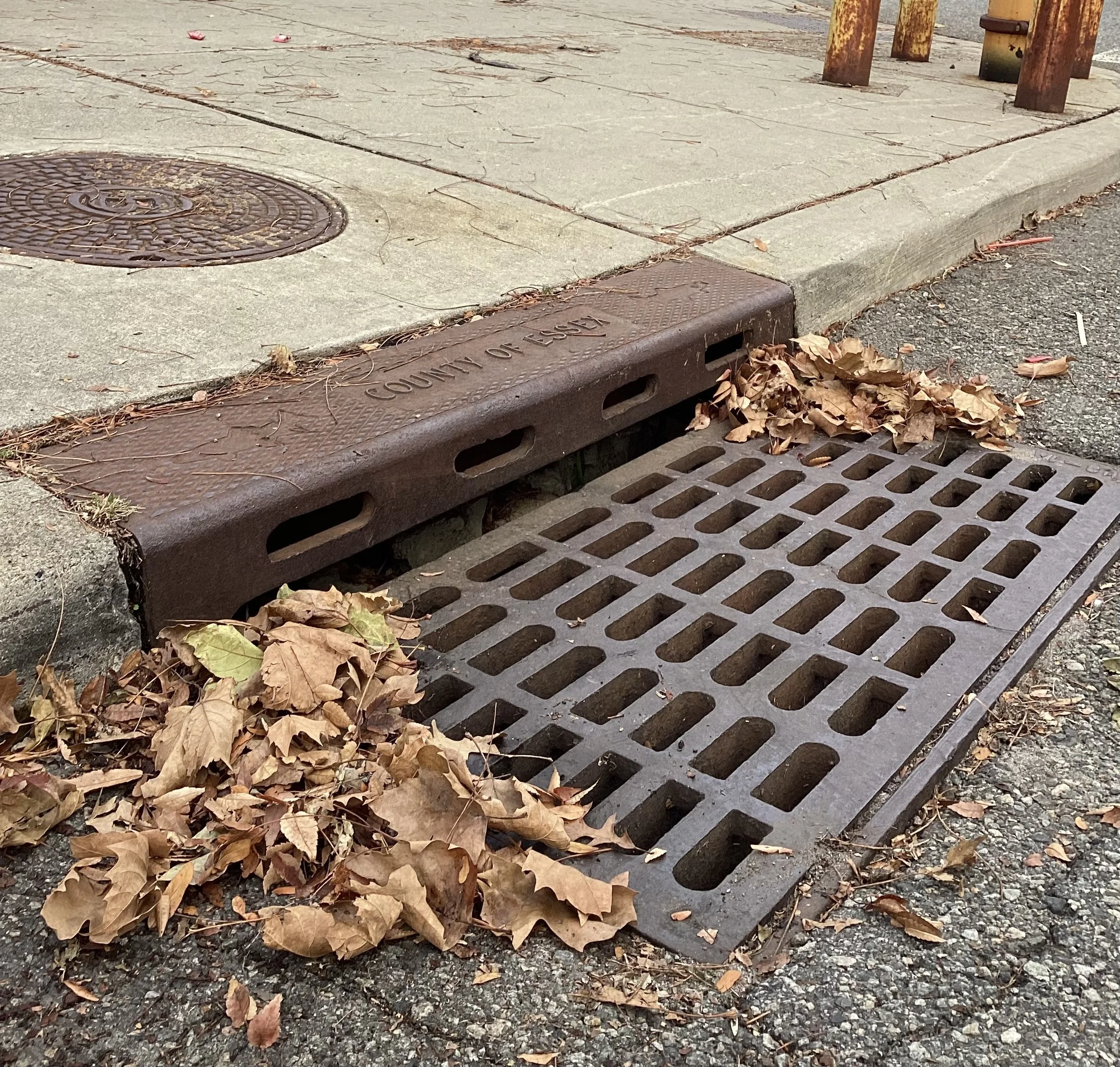
A storm drain, also known as a catch basin, on Central Avenue with leaves caught on the sides.
Photo Courtesy: Newark Water & Sewer
There are more than 6000 storm drains in the City of Newark designed to collect stormwater runoff. However, debris and trash can get stuck on the grate and inside the storm drain, which can cause local street flooding. Storm drains are essential for stormwater management, and keeping them clean is an easy way to prevent flooding in your neighborhood.
Keep an eye on storm drains in your area. If you spot one clogged with debris before a rainstorm, take initiative. Simply take a rake and remove the debris until the grate is clean. Otherwise, please call (973) 733-3655 to report a blocked storm drain to our field crew.
3. Stop littering.
Litter is not only an eyesore, but it clogs storm drains and increases water, air, and soil contamination. The act of littering is also a criminal offense, punishable by up to $1,500 in fines and 90 days community service.
Instead, hold onto your trash and wait until you approach the nearest trash can. Hold your friends and family members accountable and encourage them to keep their environment clean.
4. Clean your gutters.
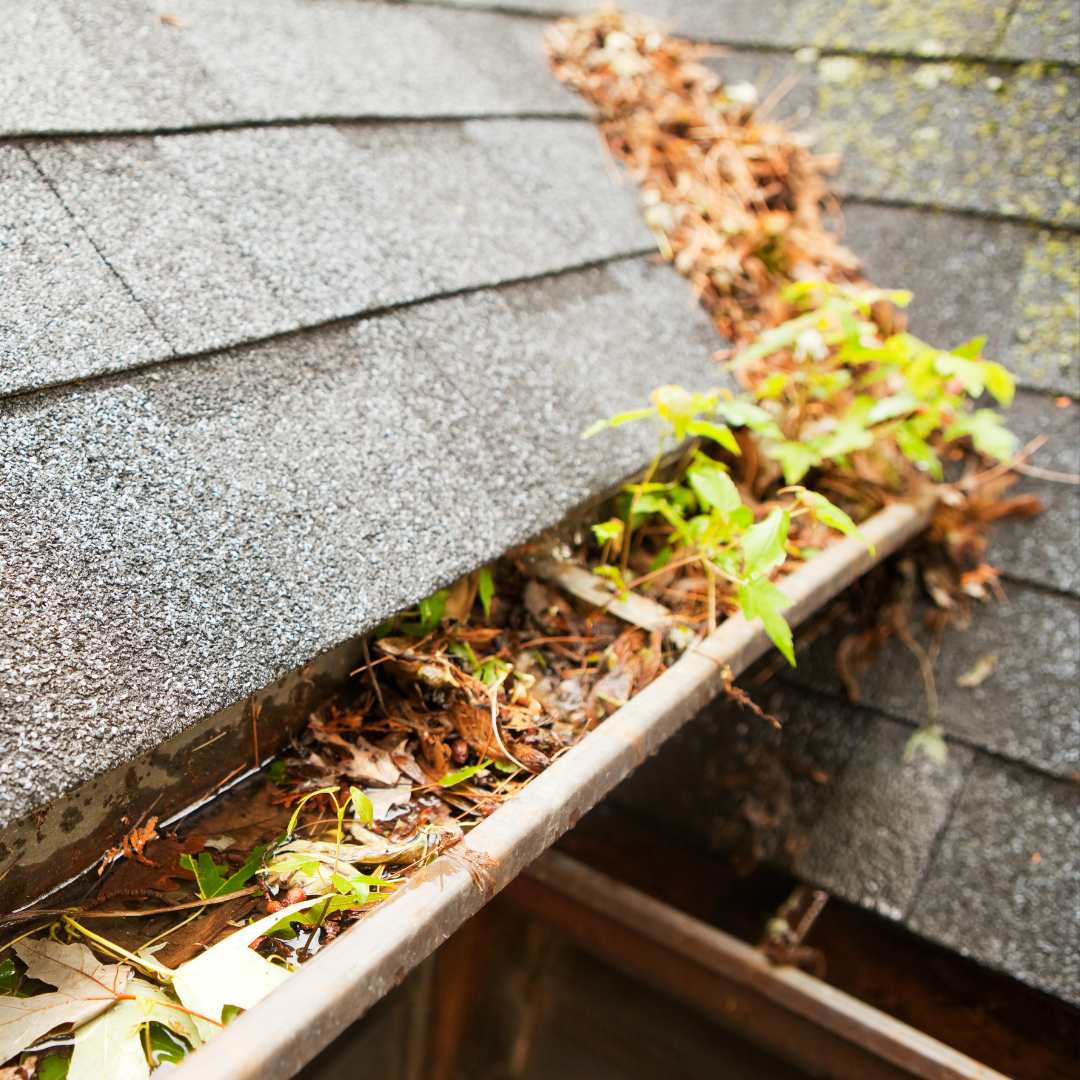
A gutter on the side of a property clogged with leaves.
The gutters on the sides of your home are essential in directing stormwater from your rooftop, onto the street, and away from your property. It is key in preventing water from seeping into the foundation of your home, which can cause water damage.
Keep your gutters clean to maintain an efficient drainage system around your home. It is recommended to clear your gutters at least twice a year to remove leaves, twigs, dirt, and other debris. Call a professional if you do not have access to a ladder or other gutter cleaning equipment.
5. Invest in a sump pump for your basement.

A new sump pump being installed in a basement.
The old sump pump can be seen on the right.
A sump pump removes water from the lowest point of your home, such as a basement, and drains it away from the property. This device assists in preventing indoor flooding and water damage.
A sump pump is a great option for homeowners who experience frequent basement floods during rainstorms. Invest in the right size sump pump device for your property and ensure it is in working order at all times. It is recommended to keep spare submersible and floor pumps in case the sump pump fails in the event of a power outage.
When rain is expected, Water and Sewer personnel actively monitor the weather and track flash flood warnings from the National Weather Service and other local and state weather sources. Field operation crews perform routine patrols around the city prior to major rain events for storm drain clean-up and trash removal at vulnerable locations at higher risk of flooding.
The Newark Water and Sewer Utility is also undergoing several projects to improve stormwater management infrastructure, such as the Ivy Hill Drainage Improvement project in the West Ward, construction of additional pump stations throughout the city, drainage ditch cleaning, and Newark’s very own green infrastructure project, RainReady.
Newark Water and Sewer is working around the clock to minimize the disruption these rain events may have on the city. Homeowners and property owners also have a responsibility to protect themselves, their tenants, and their neighborhoods.
Storm preparation and flood mitigation is a community effort that involves collaboration between residents and municipal services. Take these steps to protect your home today!
